
Reflections on Humiliation
We Might Be Overthinking Shame

I had a follower dm me recently asking if I had ever written anything about shame. I was taken aback. Of course I’ve written about shame. I went through my published works, shuffling around in the dusty digital archives at the bottom of my Substack to find the piece I was sure would be there. After nearly an hour of searching through writing so old it made my cheeks heat to read, I came up short. I have written about shame so broadly, braiding it into every story I’ve ever written, every poem I’ve ever burned, every cultural analysis I’ve ever developed, and yet there is no direct conversation with the thing that has quite nearly consumed me, dominated entire seasons of my life, held my tongue tighter than fear, broken my heart more times than love. And so, I am writing this piece about shame. Shoutout to the reader who requested it!
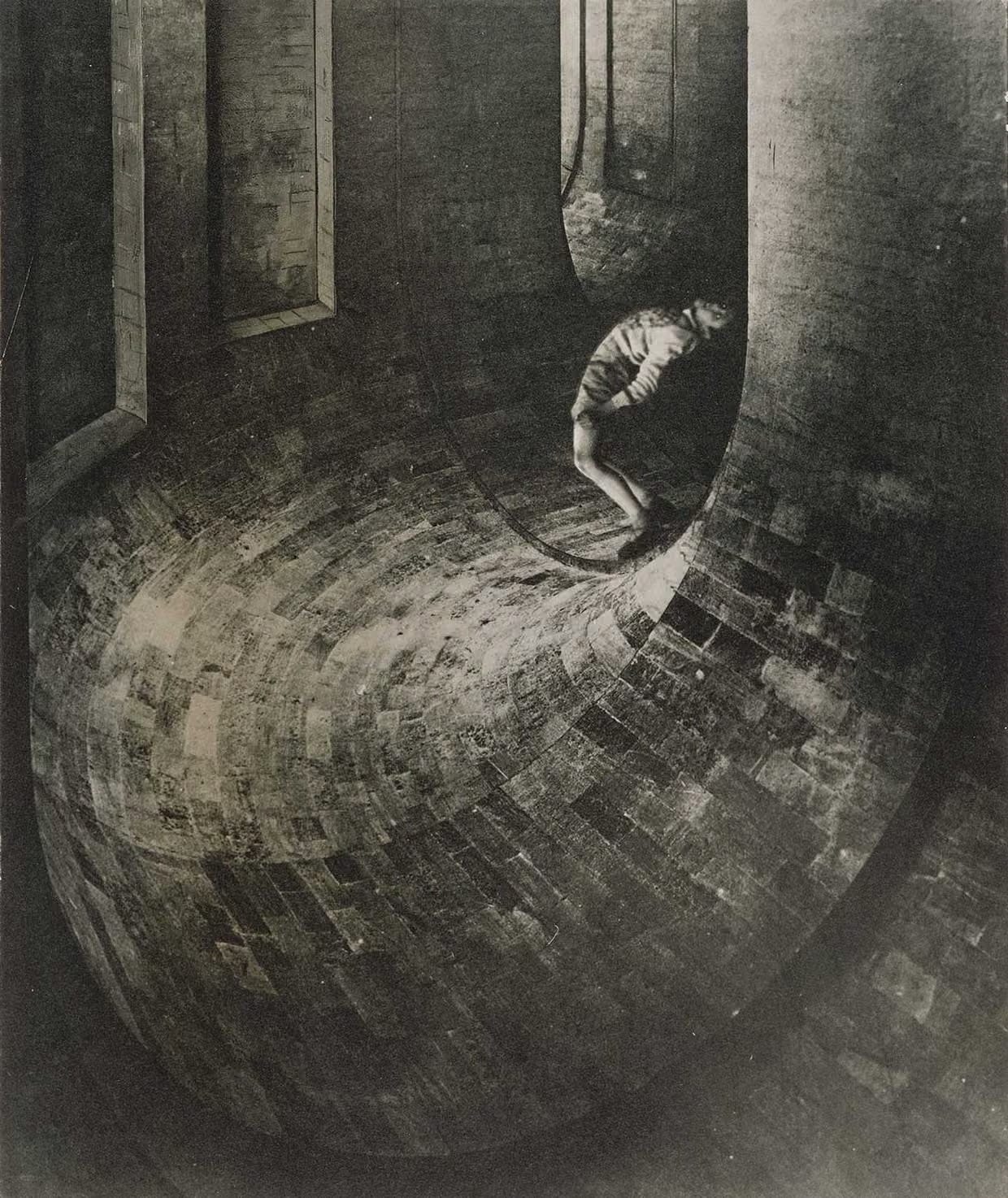
My relationship with shame was not unlike my relationship with gravity or oxygen for the first decade and a half of my life. It existed namelessly, providing an understood but unexamined structure within the confines of my life. Like its other invisible peers, it struck without warning until I learned to abide by its unspoken laws.
The signs were clear:
The hollowness of blood in my face when my mother told me not to wear sparkly red shoes to a funeral. Going onstage for the first time, all of the veins pulsing around my knotted stomach. The other girls on the elementary school dance team laughing at me because my white leggings were too sheer and you could see my underwear through them. The tidal wave of “DON’T!” I forced down with my bare hands so I could sing in the talent show. The dizzying wall of hot air I had to push through to give love letters to my crush, shoving them through the metal gills of his locker. The feeling, similar to getting flashbanged, when my older brother burst into my room while I was trying to figure out what was going on between my legs.
Adolescence, as many have said in their own words, felt like being dropped into a rock polisher; the constant movement of society around me shaving off edges of my personhood that I couldn’t protect without unfathomable embarrassment. And so I lost parts of myself. My own preferences dissolved in the friction of being known.
I remember dating for the first time and seeing myself through an observer’s eyes as my body was seen and touched by unfamiliar hands. Did they dislike the hair? Did they feel the bumps? Were the horrified as I was by my scars? By my acne? By my acne scars?
After years of learning the rules, my body became a garden to grow shame. It popped out of my flesh in unexpected moments, from unsuspecting seeds. I remember the bruises of it aching for weeks, months and years after their initial impact. I still feel many of my greatest injuries like phantom limbs, twitching in sympathy with my constricted, cauterized desires.
Perhaps I have never written about it specifically because it’s an infected wound and I prefer to prod less puss-filled material for inspiration. Knowing me… That seems unlikely.
Of course, shame has evolved over the years. It grew with me, like a parasite on my very bones. The greatest embarrassments of childhood, of walking into a glass door at a potluck and the like, were laughable nothing-burgers by the time I was sixteen, caught in the act by my boyfriend’s deeply Catholic father. I remember staring up at the crucifix above that twin bed and wishing God would delete me like a typo in the story of the world. Wishing the ground would yawn open and take me straight to hell rather than force me to face any of them.
The parasite simile isn’t quite right. The shame was alive, but only because it was attached to me. The tendrils of it were more like metal fillings that clung to the magnetism of my heartbeat. It got harder to move through the world as my shame grew. Out of nowhere, climbing trees was dirty. Singing was to be done alone if ever. Asking for help was a humiliation ritual. Asking for attention was worse than being naked, but being naked in general was no small violation of my peace. Basic things, things ease and growth were predicated on; eating when I was hungry, admitting when sadness moved through me or hung around too long, being wrong about things—all became tar pits of shame that I would sooner suffocate in than investigate deeply. My life was dominated by the fear of sticking out too much, of being too obviously after attention or differentiation from the pack. It caused me endless grief and internalized surveillance that could have been spent on so much else—on making art or acting, on being useful to my mother. On anything.
I graduated from my deeply religious, rural high school and landed in college. In a fashion not at all similar to the slow accumulation of rules and unspoken faux pas my teen years had primed me for, that social contract ended. College had an entirely different value set that I had to learn quickly. New understandings of shame had to be written up.
The Pre-COVID Collegiate Liberation
As my world was turned upside-down and shaken roughly, new ideas settled in. Friends, teachers, social media all offered fresh perspectives on what it meant to be embarrassing. In a strange social experiment where entire herds of girls walked in lockstep, wearing the same shoes, leggings, and bleach patterns in their hair, I found a nearly opioid relief in being my own person.
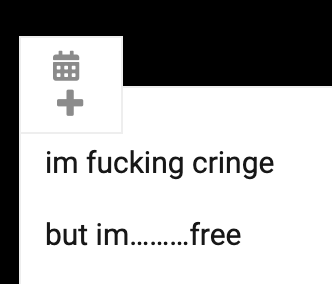
I wasn’t the only one. “I am cringe but I am free.” lit up the sky of our youth like a pillar of hope. I found myself unexpectedly prepared and comfortable in these new ideas. What had once tormented my lunch hour and soiled my concept of self now set me apart in honorable discharge from the mainstream.
It was celebrated to be different.
Yes my body and mind regularly betrayed me by taking up space and having needs, but if I could just hold my own in the sweeping tide of life, unpolished by expectations and fads, I would be immortalized in the minds of my peers as the ideal, supreme of existence: cool.
Coolness was a high-risk, high-reward game of social algebra. In the pursuit of coolness, shame took a back seat. An anxious Pomeranian yapping occasionally, but too slow to catch me on my longboard. Too nervous to follow me into frat basements and house parties. Wherever I went bravely, I went without shame.
In some discernible relation to my (absorbent) weed consumption, my shame faded. With a group of very close friends (who had mostly attended private Catholic schools), I started talking about my upbringing and my unconventional beliefs about the world. I started re-exploring my sexuality for the first time since freshman year of high school and questioning embarrassment itself. It felt good. My friends told me my life was “fascinating” and that the stories you couldn’t have waterboarded out of me three years prior were dubbed “cool.”
Of course, being known on such an interpersonal level will always evoke clashes, cycles of break and repair that instigate intolerable frictions against both our egoic and moral frameworks. We tip-toed around a litany of personality defects and had plenty of issues, but we talked about shame directly for the first time in my life. It was like an odor neutralizer for the shit inside of my head. I could anticipate and name the thing I had spent so long running from and fixating on. There were perhaps three semesters of expansive personal growth and social experimentation where a truly shameless life awaited me, bright on the horizon.
And then COVID hit.
PANDEMIC MORALITY
I remember the early days with the most clarity. Spring Break of 2020. I was in Florida with nine friends when the news came in. They closed the beaches. We did shrooms in the pool and laughed about the coverage of people fist fighting over toilet paper. This would quickly pass, we said. It was being exaggerated.
But then the Airbnb ran out of toilet paper.
Mutiny ensued. Panic that grew quietly in each of us for the rest of our vacation. We left Florida in a state of emergency that only metastasized upon our return to the real world. If we thought COVID was bad, we were woefully unprepared for Indiana. The social and biochemical fallout of COVID entirely consumed our remaining college experience.
In the years that followed, everything blended into a dark brown around me. Agoraphobia, institutional fear-mongering overtaking and often undercutting important medical information. News outlets and politicians losing public trust like punctured tires, deflating under the pressure to keep a broken machine moving. Masking daily changed how we engaged with peers, friends, and lovers. Major concerns about children’s literacy rates broke headlines over and over again with no proposed resolutions. Debates around vaccine safety and masking requirements strained already mentally exhausted people. Isolation increased aggression and misconduct or hypocrisy—annoying but normal idiosyncrasies of most people under even the most idealistic circumstances—was treated with the cosmic gravitas of terrorism.
Health and wellness became multibillion dollar industries and a new arena for purity politics. Skinny bodies were statistically less susceptible to the COVID co-morbidities, and so weight became as much a status symbol as a completed vaccination card. Seemingly benign videos about cooking, organizing and cleaning quickly spiraled into obsessive-compulsive levels of sterilized perfection. Cleaning content specifically went from cutesy to nuclear, with creators essentially mixing mustard gas in their toilets just to clean away shit stains. An entire genre of masculinity content evolved from this phobia of human mess, with hundreds of accounts pumping out videos of meticulously folded black t-shirts and espresso made without so much as a single coffee grain out of place. Women were constantly fed “clean girl beauty” glam and “old money” fashion from every level of celebrity.
Celebrity culture as a whole was shifting quickly to accommodate the meteoric rise of social media influencers into Hollywood spheres with no media training or preparation to be so visible to so many terrified, outraged people. Entertainment was getting more and more democratized but people were less and less entertained by it. As a direct result (I think) of so many normal people being catapulted into massive, super visible fame and success, public concern with celebrities being “out of touch” was compounded with class envy. Cancellation campaigns over celebrity COVID scandals enforced social boundaries in a merciless cycle of cyberbullying that quickly escalated to doxxing.
The extreme moral scrutiny of everyone from close friends to perfect strangers quickly became the norm. And how could it not? The risk was quite literally life and death for so many. The immunocompromised people who survived the early sweeps of infection were deeply scarred not just from the years of fear but from the self hatred of living with disability in such a health and productivity obsessed society. With the veritable explosion of tele-therapy, people gained vast swaths of terminology to explain what was wrong with them with literally no agency to resolve the root(s) of their trauma. Abruptly, it was everyone’s responsibility to protect each other while also being told to somehow protect our peace. I remember how this showed up in my classrooms.
My creative writing professor addressing the class, her eyes averted after I read one of my most noxiously devastating poems out loud, reminded us that “sometimes writing can be re-traumatizing.”
Ah, well, I thought. I’ve always liked tapping wells of violent emotion in the softened bedrock of my cerebellum. The irony of telling a room of aspiring writers not to re-traumatize themselves for their art was not lost on me. What would Maya Angelou, James Baldwin, or Sylvia Plath have to say to that? Some wounds can only be cleaned with bloodletting. All good writers know that.
When I think specifically about shame, it seems impossible to separate from the tactile experience of it from the discourse, which made its descension on social media especially interesting.
When being in person got too dangerous, most of us moved online in a way that reset precedent for screen usage. When online information became less about the world and more about people, our thoughts moved to match the content we were being fed. Sinking into the digital world caused open sores to form on our souls that have hardly begun to heal. Decentralized, panic-magnified shame was a huge part of why.
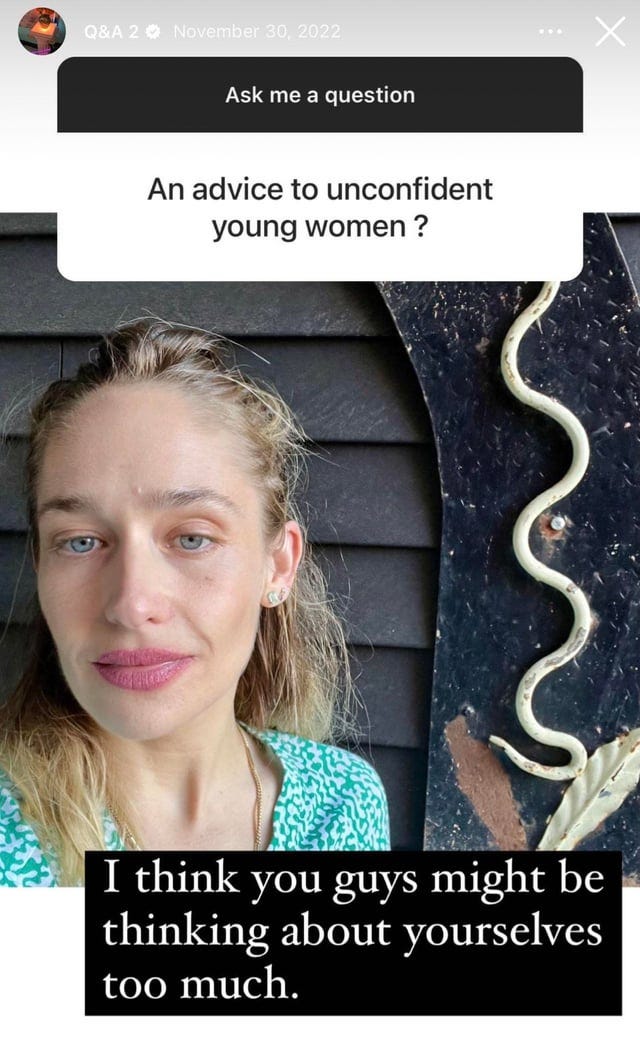
And of course body image and mental health were huge issues, but they were only the tip of the iceberg. Unimportant in the grand scheme of a world under lockdown—though of course it didn’t feel that way.
As social media was flooded with activity, hate crimes and police violence exploded onto our screens. First George Floyd, then Breonna Taylor and a hundred others who followed them namelessly under the boot of White Supremacy. STOP ASIAN HATE was born. The warranted chaos surrounding the Black Lives Matter movement was one step forward five steps back the whole way. DEI initiatives and sensitivity trainings were undermined months later by exposes of the nonprofit sector’s blatant corruption. Why? Again, I’d point to poorly-dispersed shame campaigns.
While so much of the intention behind these inherently reactive movements were pure, they were all built on empires of victimhood and self-hatred. White people were confronted for the first time (in my life) for their role in protecting and profiting from the racial caste system America was founded on. Naturally, when confronted by this inescapable reality, people either spiraled into pits of self-disgust or dove headfirst into justifying their racism as legitimate. Extremism, that mindless sedative to cognitive dissonance.
Whiteness as a social structure was finally being scrutinized as more than a monolithic cultural majority. This was a worthy case study for how shame could be used to help advance policy rather than just destroy people’s agency, but it was mixed with such outrage and performative activism, the power was quickly de-fanged. Unfortunately, many of the revolutionary ideas that were born from these conversations were quickly and seamlessly co-opted back into capitalist rhetoric through a meritocratic, elitist wash. More on that another time, perhaps…
We were steeped in fear, isolation, self-disgust, rage, helplessness, and shame for years under the COVID lockdowns. It was so difficult to know what was true and simultaneously so taboo to deviate from (famously suspect) official information, most of us just threw our hands up and did what we were told.
It was an awful, evil experience to spend such formative years in such a mangled, paranoid social order. We were kids. We were terrified, hopeless and often profoundly alone kids.
Of course, it’s nauseating to recount these moments, but without them, a modern discussion of shame is a toothless, abstract concept. A clear label slapped on a can of worms we refuse to open because of the mess waiting inside. But naming the thing is not enough. We must sink our hands into it, wrap our brain around it, and face it in the mirror and the matter before us. COVID pushed us into half a decade of moralized self-surveillance, political and social panic, and institutional decay.
And maybe it can’t really be resolved, but it can be understood and improved upon. Still, shame can be a key to liberation just as surely as it can remain a manacle.
WHAT’S LEFT FOR US BLEEDING HEARTS?
In conversations around the motivations of clearly evil people and institutions, the most astute observation I have ever heard made was from a woman who said simply,
“Faith is neutral.”
She explained how her father, as an abusive, malignant narcissist taught her this lesson through his absolute belief that no bad would ever befall him for his indecency. Karma cannot touch a shameless target. Equally, deeply good and kind people who believe that life is unfair, bad things happen to good people, and evil always prevails are continuously shocked and outraged when those addages come true. Faith is not hope, it is a self-fulfilling prophecy of your expectations. Faith is neutral. So is shame.
I have spent a good deal of my life lamenting the fact that I am subjected to shame. It has been framed as an unnecessary burden, ruining and rotting my life from the inside out. The only way to succeed anywhere but especially online is to free myself from shame.
Abandon the social contracts that reward you for being a slave to public opinion! Forget the conditioning drilled into you by late stage capitalism! Remember who you are, whiteboy.
And yes, there are flickers of truth and value there, but when I look around at the world, I have to agree with with the mantra, “bring back shame.”
Why?
At the protests I have attended, from ICE detention centers to city council meetings, the crowd’s most effective demoralizer is always a chant of “Shame! Shame! Shame!” I’ve seen so many videos of people being kicked out of lecture for using AI. I’ve witnessed so many creators drop out of brand contracts with evil corporations. I’ve seen so many data centers cancelled. Not through goodness of heart, not because it’s the right thing to do. Not because it’s the path of greater wealth or lesser resistance. But because the public embarrassment is too great.
Shame is too powerful a tool to abandon.
Politicians leaving office, tech billionaires fleeing the country, AI companies losing revenue, it is all the result of shame. We shouldn’t aspire to being shameless. So long as we remain social animals and compassion is not a vestigial reflex, we should only aspire to wield shame both internally and externally as a weapon of progress. As a mitigation tool for selfishness, greed, ignorance, and laziness so innate to our species.
I’d like to write at greater lengths about shame specific to dating and love, but that might require its own piece. That’s all for now. Thanks for reading!
You describe shame as both a key and a manacle, which makes sense to me because it seems to depend on what people do with it.
But in your childhood, shame seemed to condition silence. During COVID, grassroots movements tried to use shame as a social force, but they were outclassed by institutional propaganda that used shame to delegitimize those same movements. So when you reclaim shame through protest at the end, I’m curious how do you separate progressive shame from a new set of rules people feel punished for breaking?